




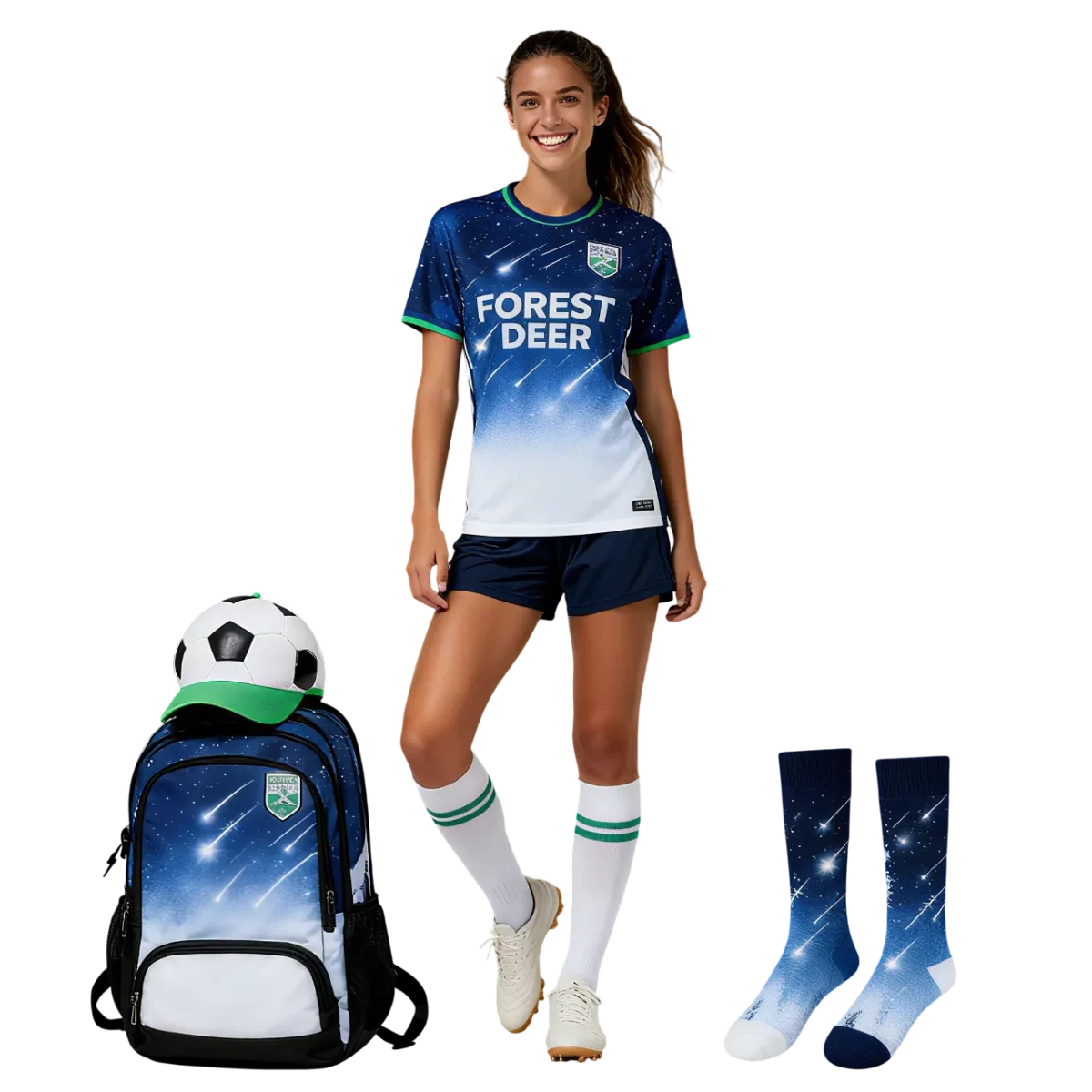

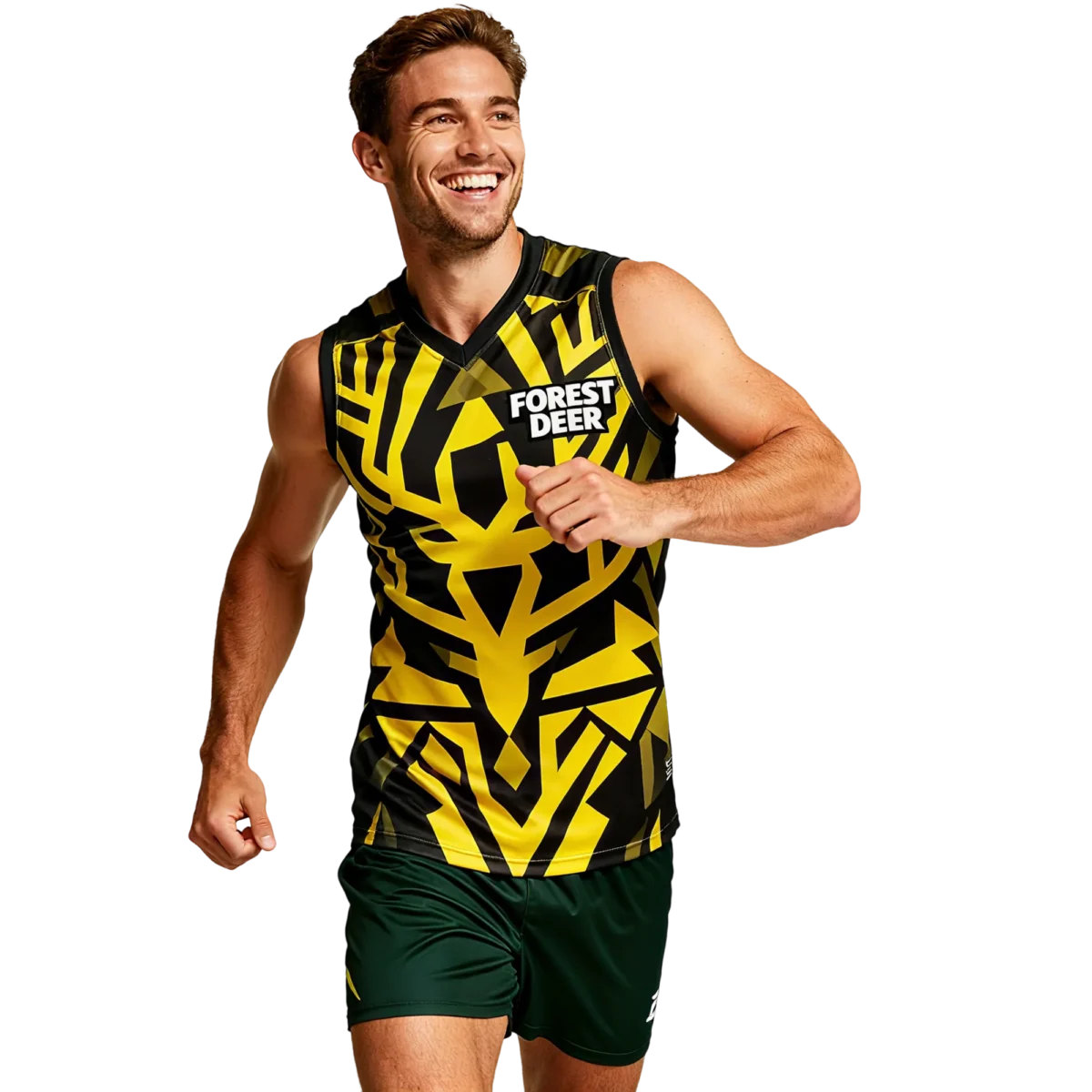

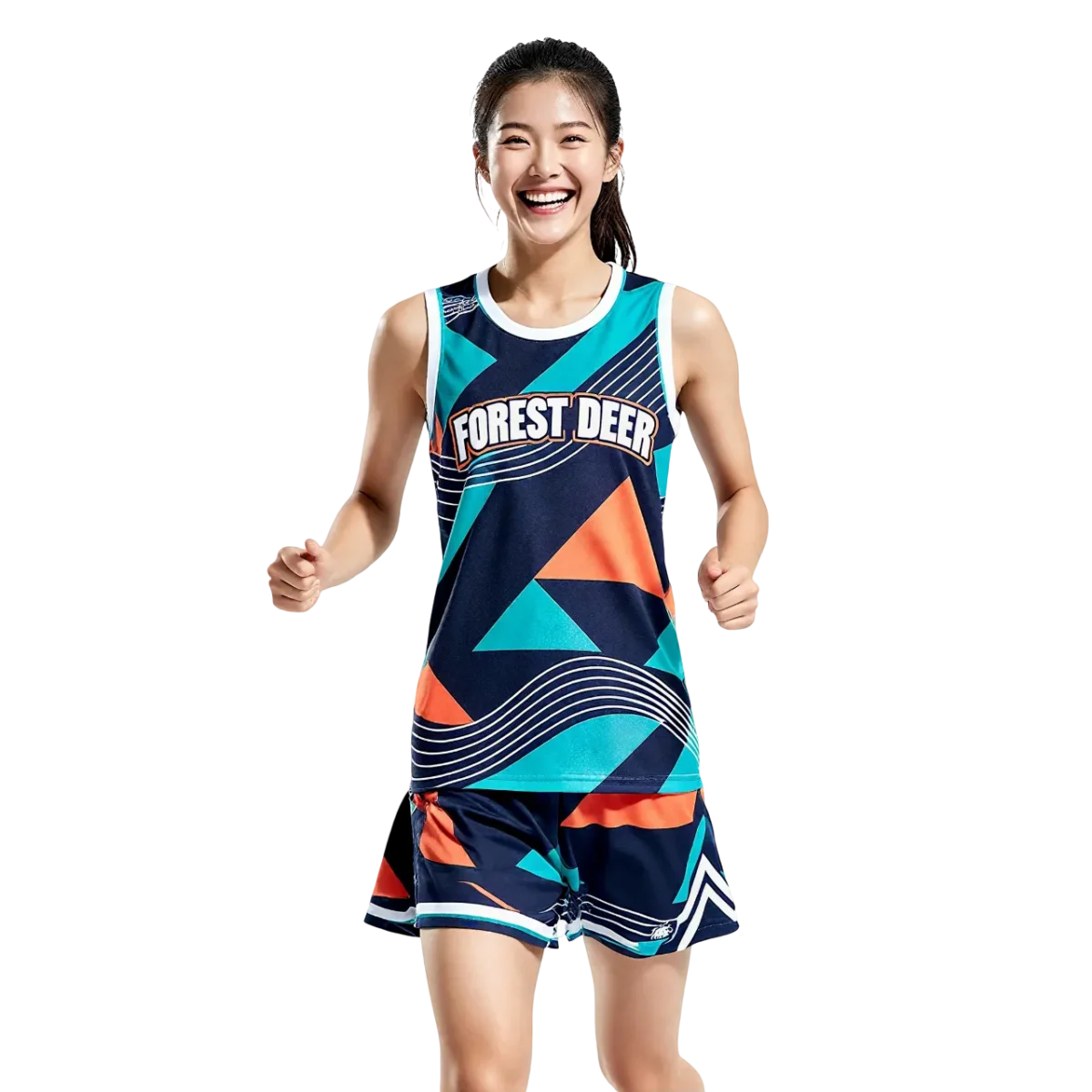
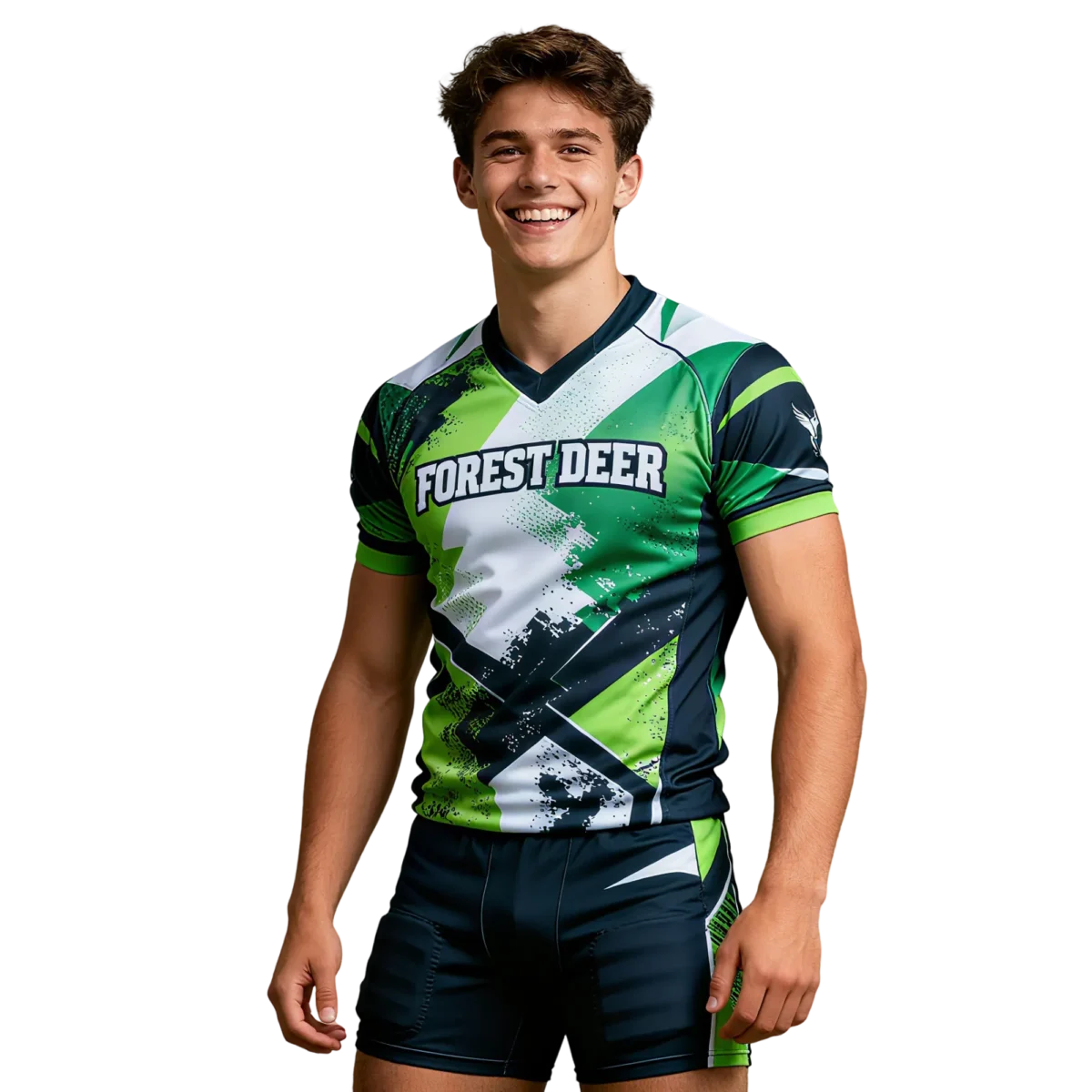
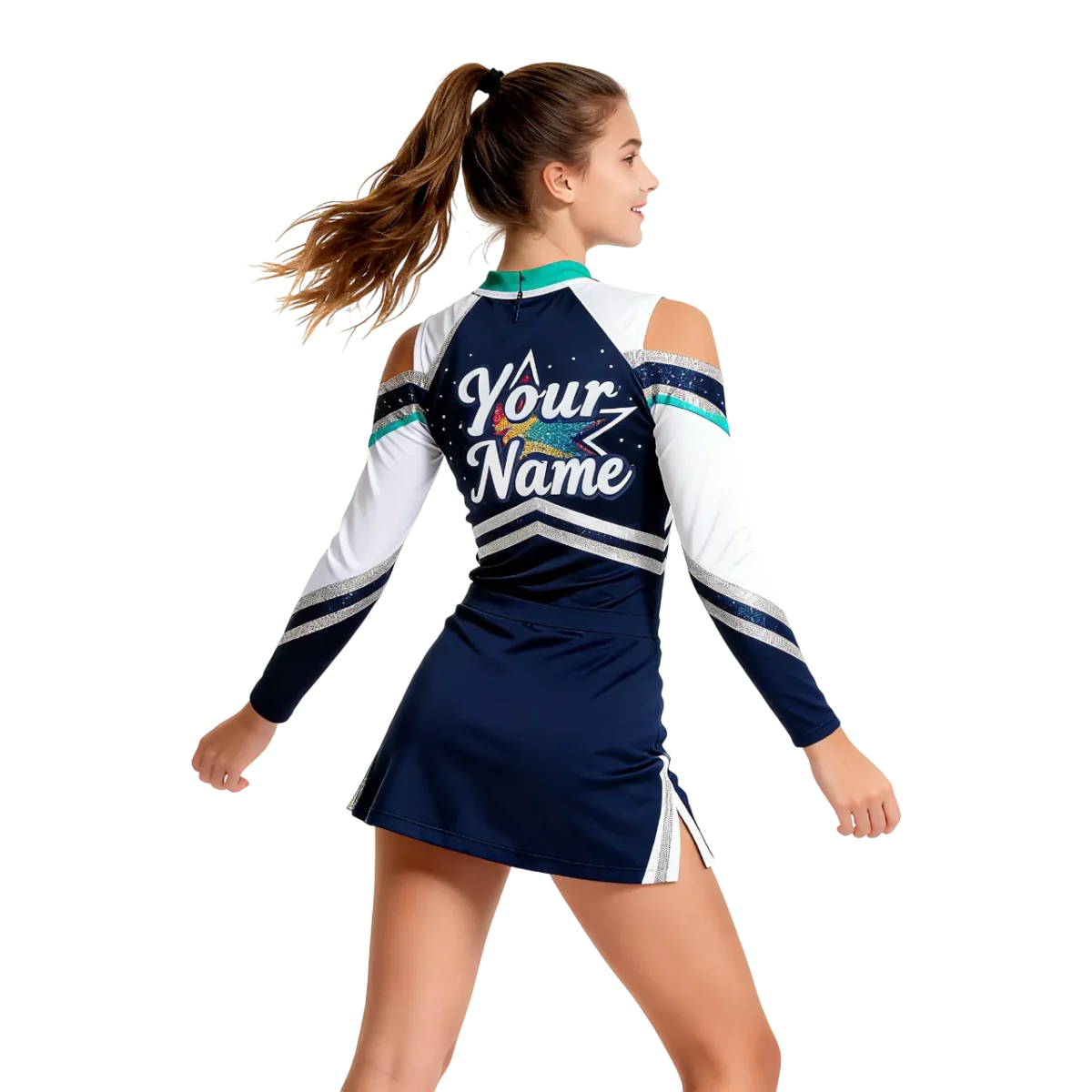
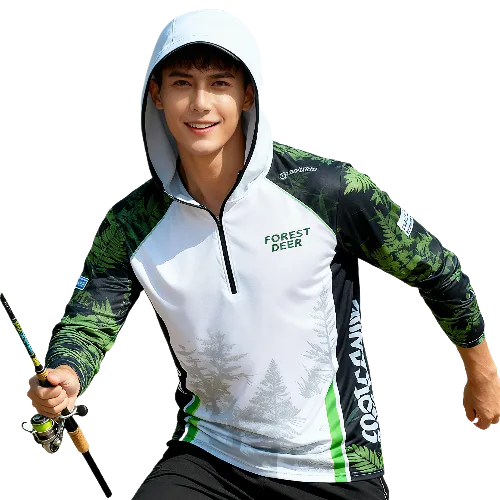
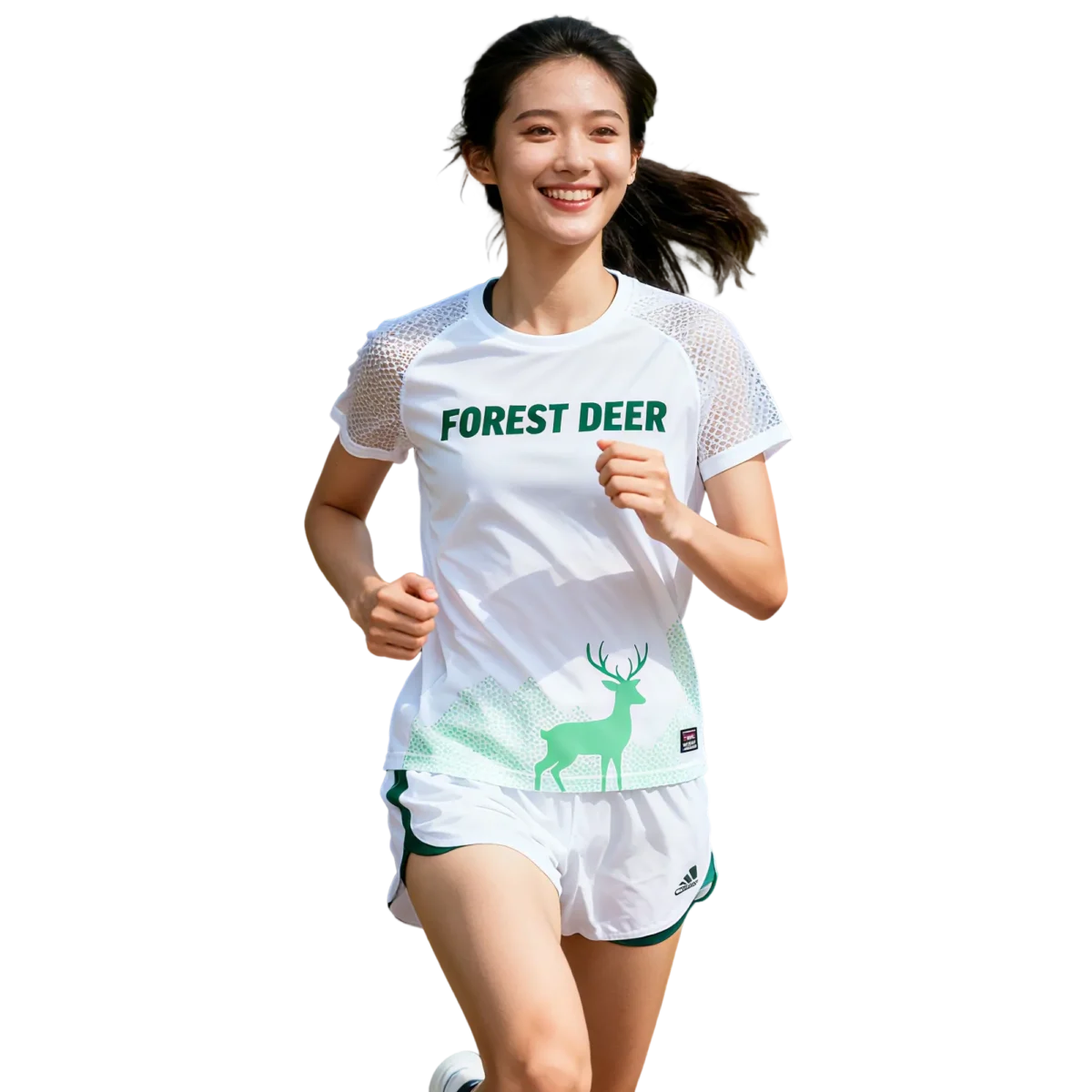
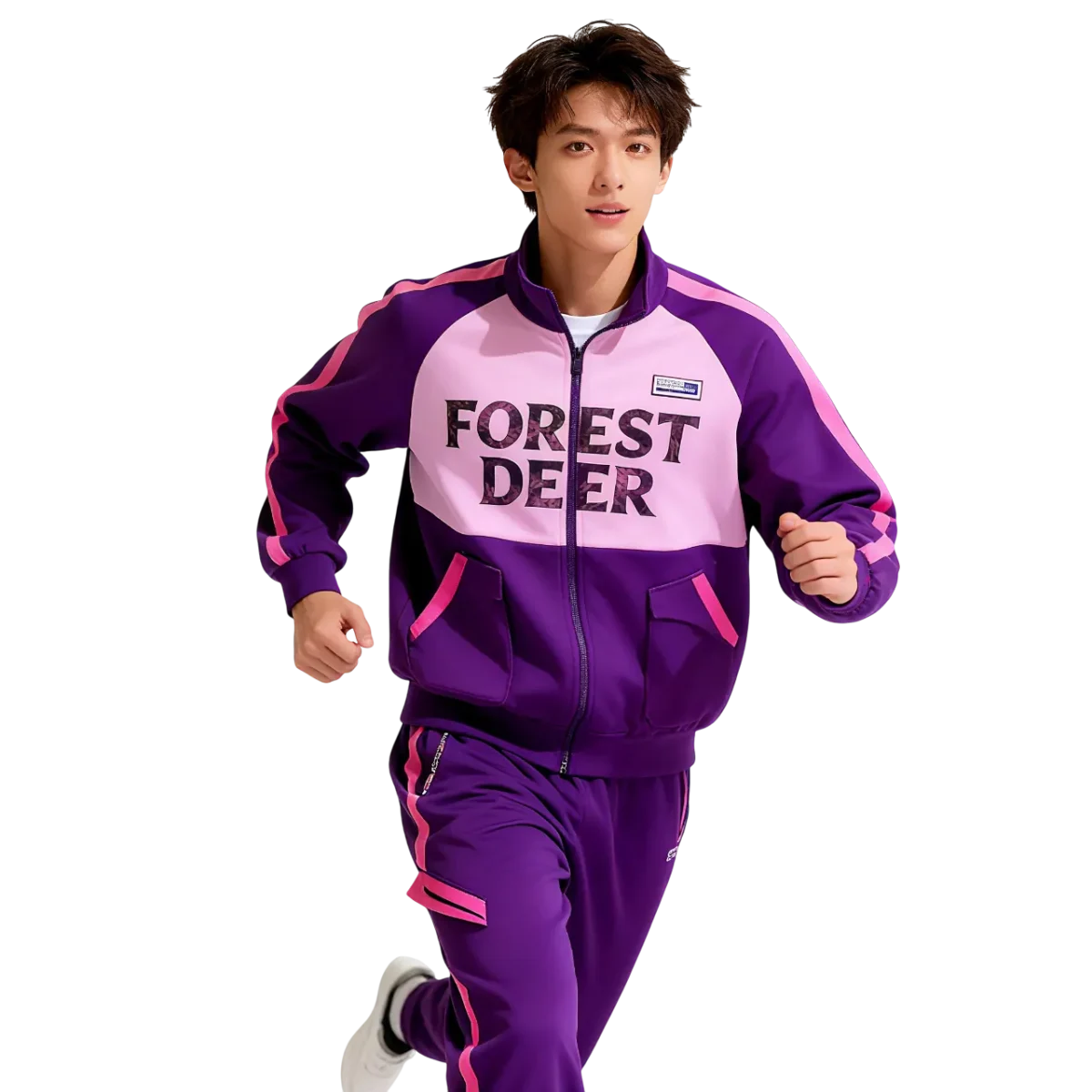
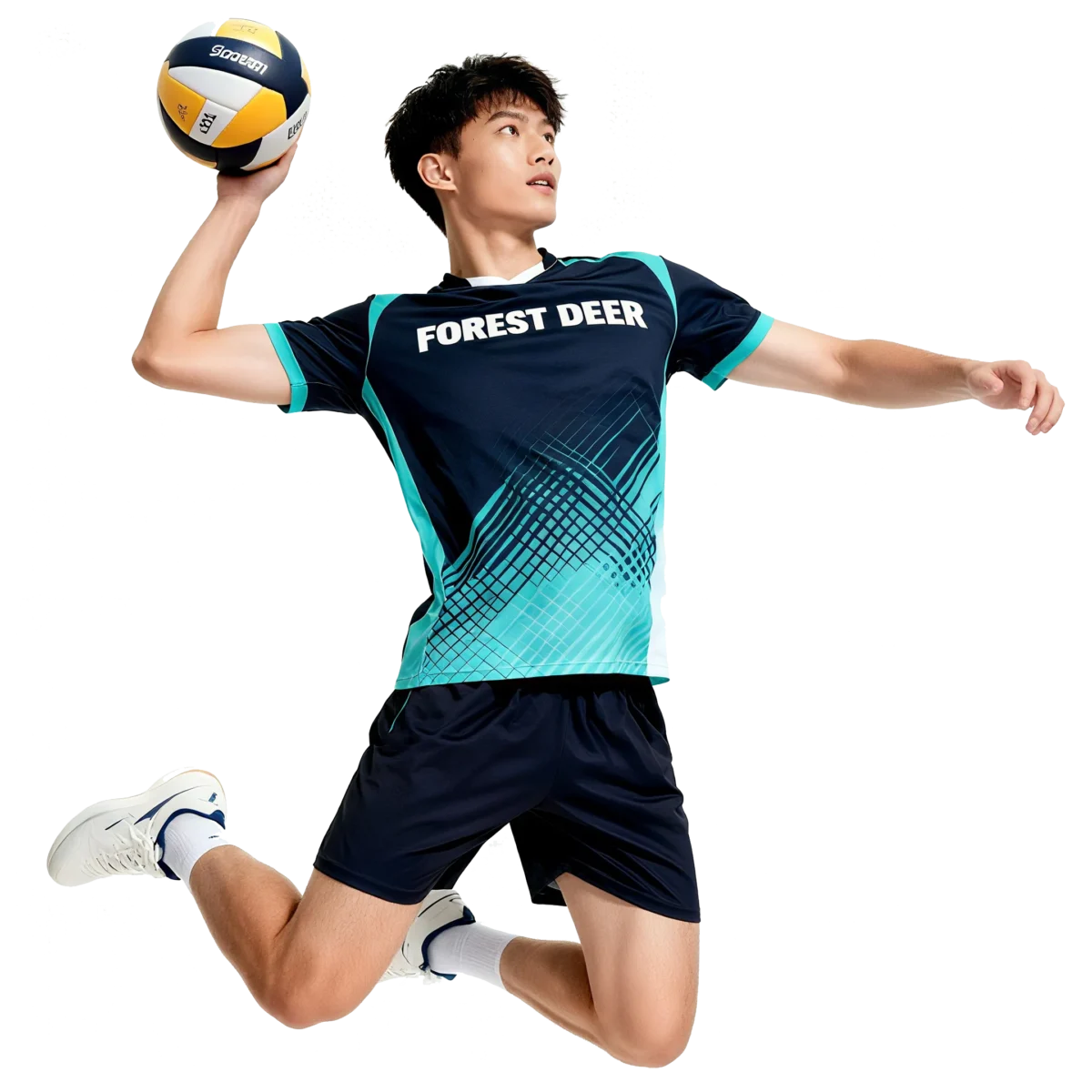
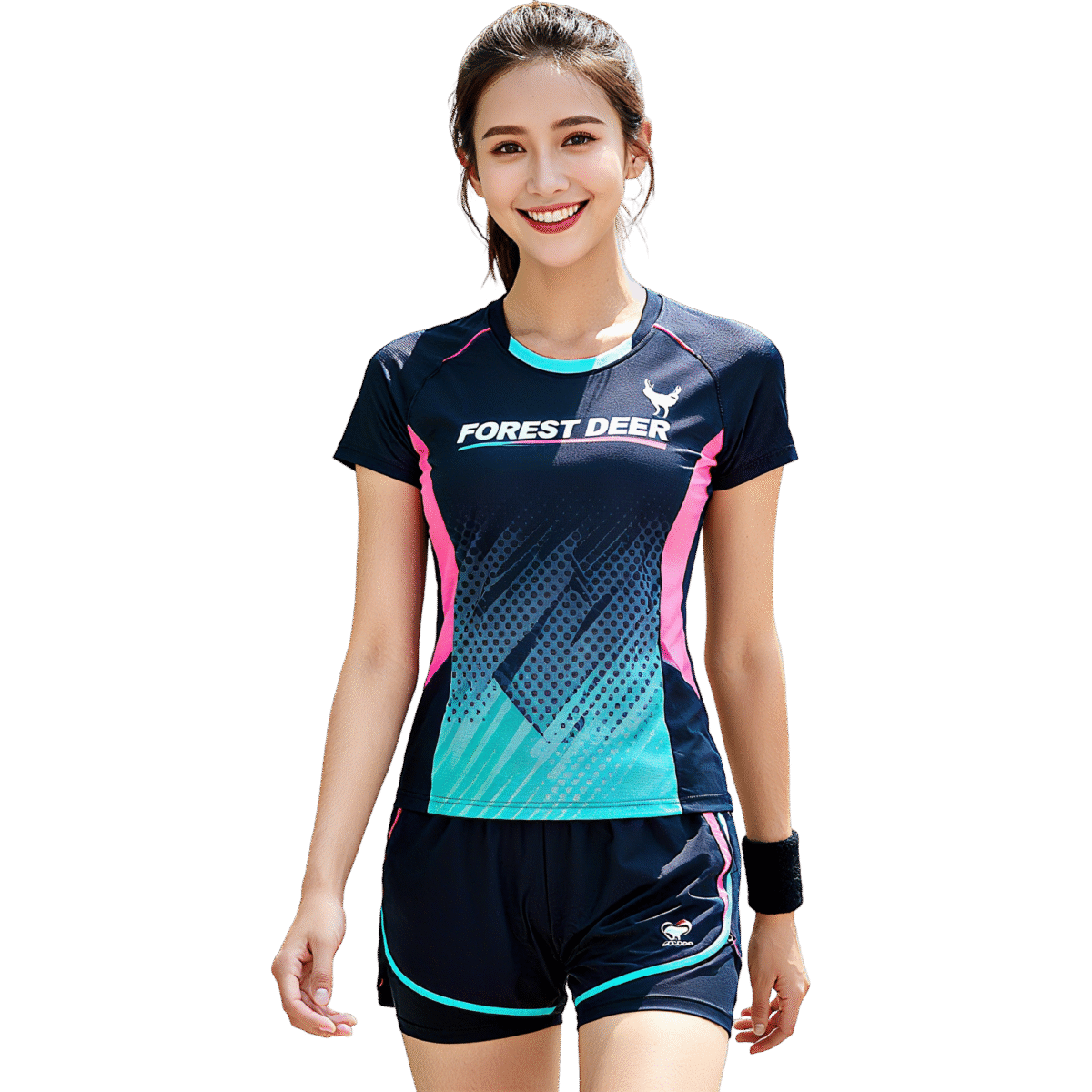
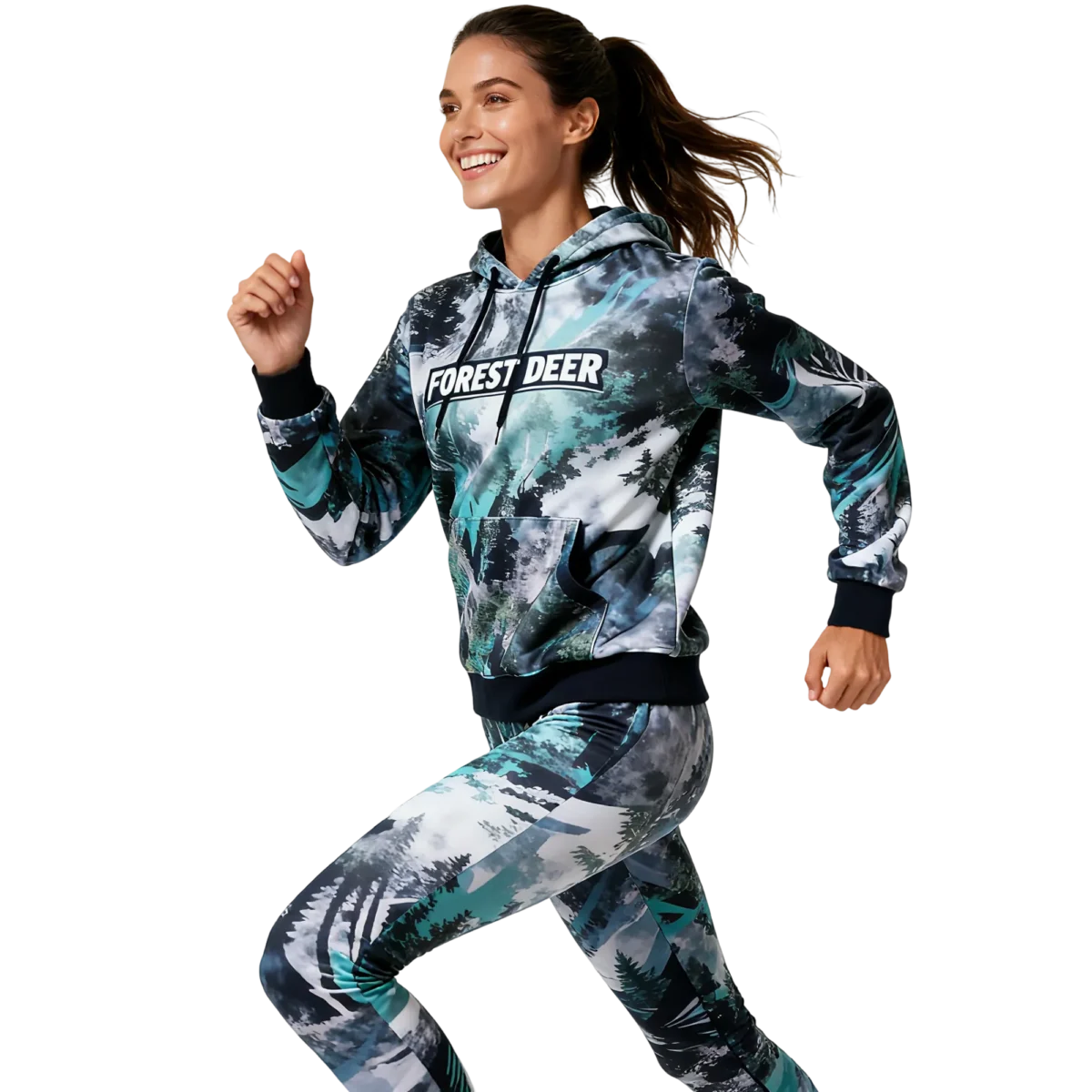
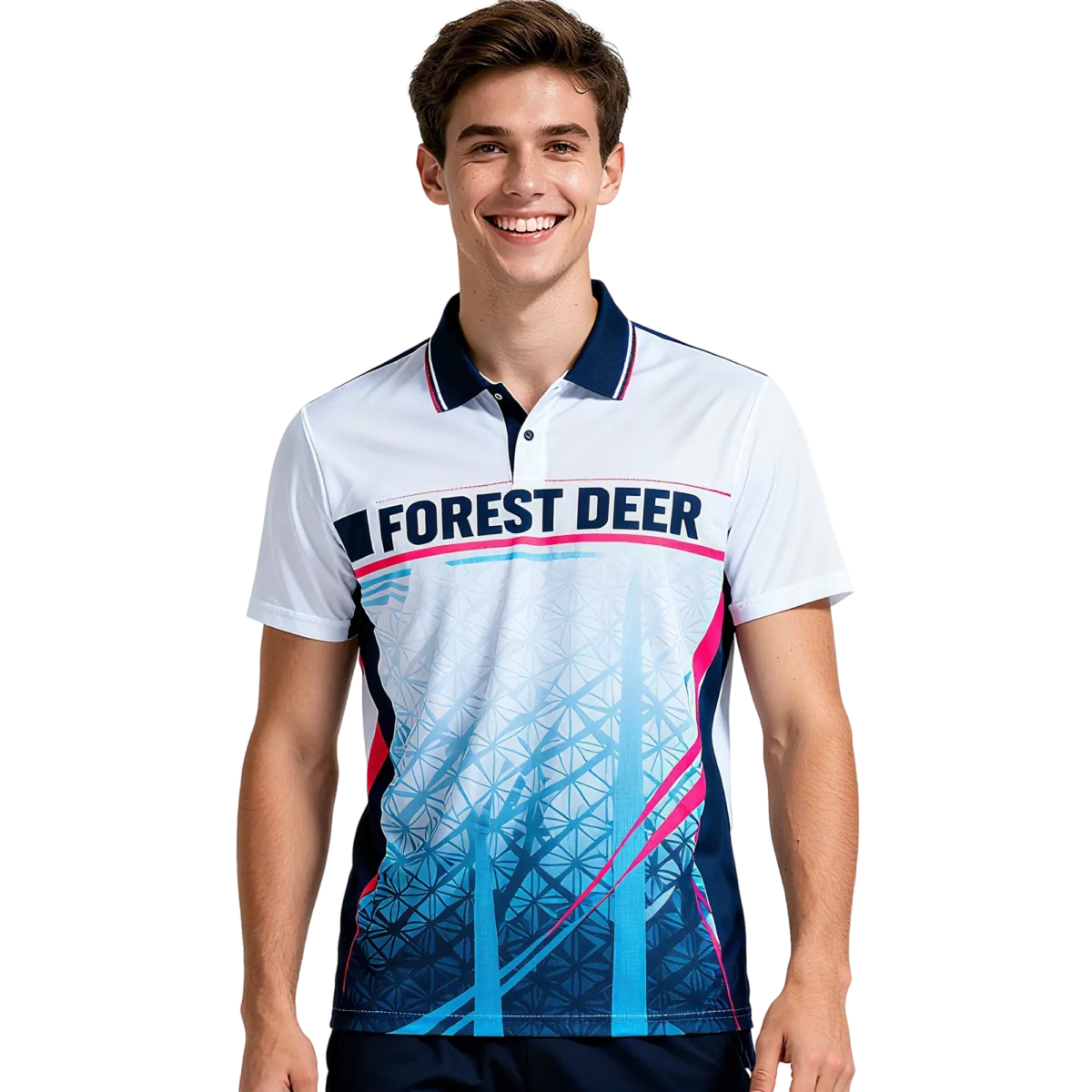


Rugby kit decisions should reflect contact, pulling, repeated washing and the team's preferred fit. Fabric and seam construction matter as much as the graphic design.
Rugby uniform options
Match jerseys
Club tops with approved fit, collar, panels, reinforcement and sponsor layout.
Rugby shorts
Coordinated shorts with waistband, stretch, inseam and seam specification.
Training and supporter wear
Alternative fit or construction for practice, travel or retail programs.
Key details to confirm
| Detail | What to specify | Confirm with |
|---|---|---|
| Fit | Athletic or regular fit, chest, length and sleeves | Movement and contact sample |
| Construction | Panels, seams, collar and reinforcement | Technical sheet and sewn sample |
| Artwork | Club colors, sponsors, names and numbers | Actual-pattern proof |
Rugby union and rugby league buyers may have different uniform conventions; state the competition and intended use in the brief.
Sublimation for rugby jerseys
Sublimated rugby jerseys can carry multi-color club graphics and sponsors without stacking surface films across the body.
Contact durability still depends on fabric, seams, fit and construction; sublimation alone does not define garment strength.
Details to send with your enquiry
- Union, league, training or supporter use
- Jersey fit, collar and reinforcement
- Shorts and supporting items
- Club colors and sponsor files
- Roster and size breakdown
- Labels, packing and inspection
What can be included
Rugby orders can include jerseys, shorts and coordinated training or supporter apparel. Competition type, contact level and preferred fit help determine the right construction.
Frequently asked questions
What can be customized on custom rugby jerseys?
Fit, collar, panels, reinforcement, club colors, sponsors, names, numbers and labels can be specified.
Can custom rugby jerseys use dye sublimation?
Yes. Compatible polyester jersey panels can be fully sublimated with club artwork and player details.
How is material selected for custom rugby jerseys?
Choose by contact exposure, stretch, opacity, hand feel and breathability, then test the sample.
Quote custom rugby uniforms
Send competition type, product scope, construction, quantity, sizes, artwork and target date.
Request a project quotationRugby union, league and intended level of contact
Begin the specification by stating whether the product is for rugby union, rugby league, training, supporter wear or retail. Competition conventions, preferred fit and player expectations can differ. A match jersey built for contact should not share an unqualified description with a loose supporter top, even if the artwork looks similar.
Fit and pattern development
Rugby fit affects both movement and how easily the garment can be grabbed. Some teams prefer a closer athletic shape; others need a regular fit across a mixed roster. Confirm chest, body length, shoulder, sleeve opening, armhole and hem against an identified size chart. Test the sample during reaching, twisting and contact movement rather than judging only its standing appearance.
Youth and adult grading should be approved separately where the roster spans a large range. Women’s team programs may also need a dedicated pattern. If a buyer sends a reference garment, record exactly how each measurement was taken so the supplier can compare like with like.
Fabric, panels and seam construction
Rugby fabric is selected around stretch, recovery, opacity, moisture handling, surface durability and the intended level of contact. A heavier material is not automatically stronger; yarn, knit, finishing and seam design matter. Side or underarm panels may require different stretch or ventilation from the main body. Every material should be identified on a panel map.
Seam type and placement influence comfort and durability. High-stress joins, collar attachment and underarm construction should be visible in the sample. If the buyer requires a formal seam-strength, colorfastness, abrasion or dimensional-stability test, agree on the method, sample size and acceptance requirement before bulk production.
Collars, plackets and grip-related details
Traditional, modern and hybrid rugby collars use different materials and assembly. Confirm collar height, shape, insert, placket and any tape or reinforcement. A collar that looks correct in a flat mock-up may sit differently once sewn to a stretch body, so physical approval matters.
Rugby shorts and complete kits
Shorts require their own material, waistband, drawcord, rise, inseam, side-panel and reinforcement decisions. Jersey and shorts sizes can differ for the same player, so record them in separate roster columns. Socks, training tops, warm-ups or supporter pieces should also be listed as individual products in the quotation.
Sublimation and mixed decoration
Full dye sublimation can place club colors, gradients, sponsors, player names and numbers into compatible polyester jersey panels. It avoids stacking large surface films across the main body, but it does not determine garment strength. Fit, material and sewing still control contact performance.
Embroidery, patches and heat-applied marks can be combined with sublimation. Mark every position and approve the actual result on the selected fabric. Dense embroidery can distort lightweight stretch panels, and patches can affect flexibility. The buyer should also confirm authorization for club, sponsor and competition marks.
Roster, artwork and color control
Supply vector logos, color references and a single roster spreadsheet. Check small sponsors at production size and review graphics across the shoulder, side and sleeve seams. Freeze the final roster and artwork version before personalized output begins. Close brand colors should be approved on the chosen fabric rather than only on a screen.
Rugby sample and inspection points
- Confirm union, league, match, training or supporter use.
- Test the intended fit through rugby-specific movement.
- Check panels, seams, collar attachment and reinforced areas.
- Measure jerseys and shorts against their own approved charts.
- Verify sponsors, player details and decoration methods.
- Review waistband, drawcord and short construction.
- Pack complete sets according to the player roster when requested.
What to send for a rugby quotation
Send the competition type, intended use, jersey and shorts references, preferred fit, quantities, youth/adult sizes, material priorities, collar construction, artwork, sponsor files, roster, destination and required arrival date. Identify any testing, labeling or individual-packing requirements at the beginning.